What is Your Neurodivergence?
At Neurolab we support individuals with different neurodevelopmental and neurocognitive profiles.
Our services focus on providing specialised assessment and guidance tailored to each individual.
A Precise Understanding of Your Neurodiverse Profile. Clarity beyond labels.
Redefining neurodivergence across the lifespan through clinical precision and neuroscience
At NeuroLab Mental Health, we provide a specialist, medically and psychologically informed approach to assessing neurodivergent profiles, including ADHD, autism, and related conditions. Our process integrates clinical interviews, standardised psychometrics, and, where appropriate, neuroscience-based analysis to deliver accurate and meaningful insight.
You’ll receive a clear clinical report with actionable recommendations and, when applicable, a formal diagnosis. Our structured clinical pathway ensures a consistent, transparent journey from assessment to personalised support (focused on real improvements in daily functioning, not just symptom labels.)
Reports are accepted by GPs, schools, and workplaces. We work with major insurance companies in Ireland, offer no waiting list, and all care is delivered by registered professionals.

Neurodivergence is not something to correct. It is something to understand with precision, and work with strategically.
Our role is not only diagnostic, it is strategic
We design clear, individualised pathways so that each patient receives the right intervention, from the right professional, at the right time. This includes both:
- Conventional interventions (psychotherapy, medication, behavioural intervention)
- Neuroscience-based approaches (e.g. neurofeedback, cognitive optimisation strategies, sleep regulation when relevant, TMS)
We operate as a central clinical hub, ensuring coherence, accuracy, and continuity of care.
How We Work
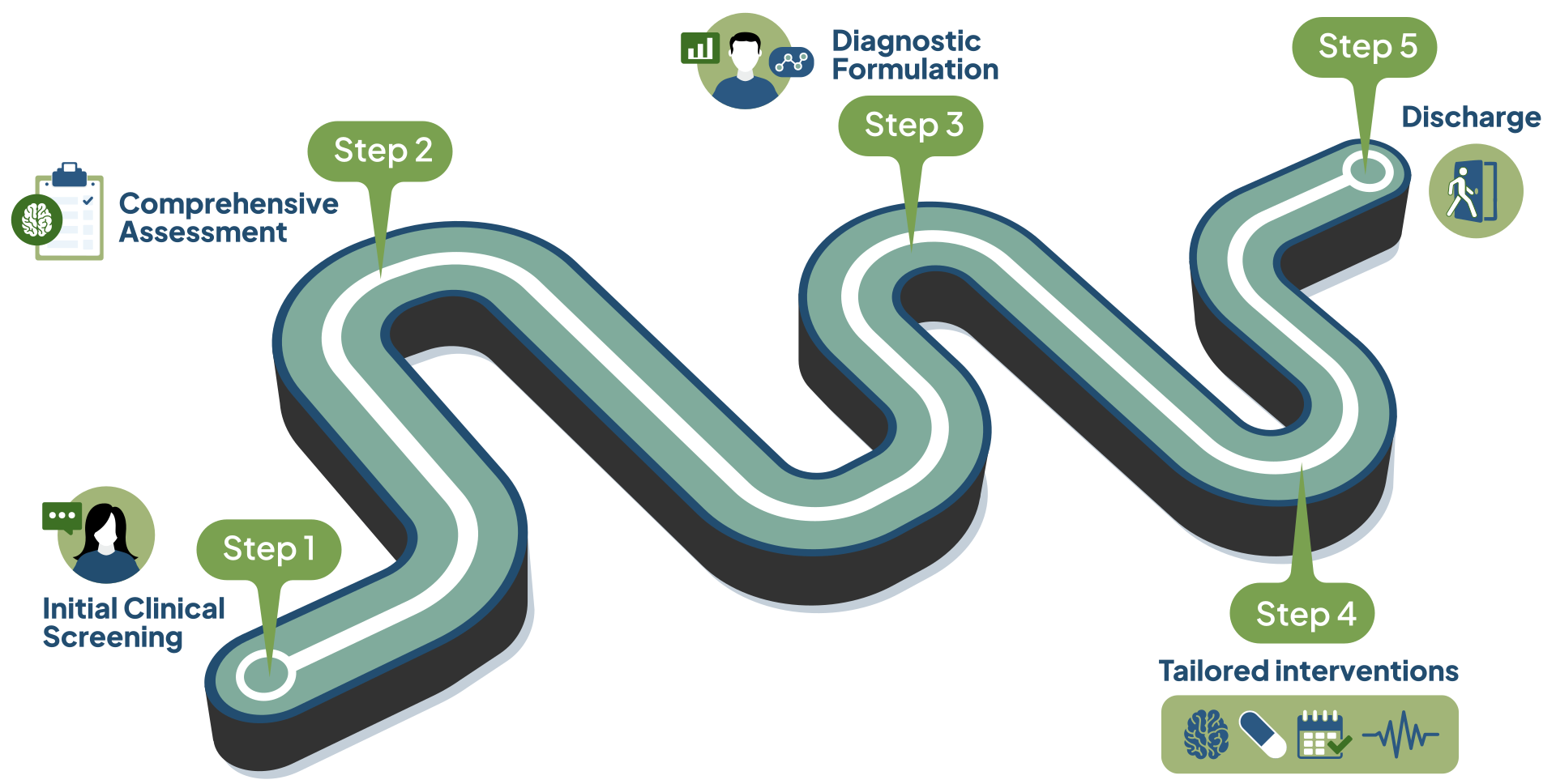
- Brief consultation
- Identification of presenting difficulties
- Determination of appropriate pathway
- Clinical interview
- Standardised measures (depending on profile)
- Functional and cognitive analysis
- Optional neurophysiological data (when clinically relevant)
- Not label-driven, but Multidisciplinary profile Driven
- Integration of all data sources
- Differential diagnosis
- Clasical intervention: Medication, Psychoeducation, Psychotherapy
- Accommodations when it is needed
- Follow Up
- Neuroscience interventions
- Neurofeedback TMS among others
This happen when all objectives are achieved
and functionality is optimal with a reduction
of distress.
Who we are in the unit
The Neurodivergency Unit is a specialised clinical service focused on the identification, understanding, and optimisation of neurodivergent profiles across the lifespan. We are not a standard mental health service.
Our model integrates (when needed)

Clinical psychology
and psychiatry

Neurophysiology and brain-based assesment and intervention
(e.g. QEEG-informed interpretation)

Structured diagnostic
pathways

Coordinated care with external specialists
(OT, SLT, education services)
Attention Deficit Hyperactivity Disorder (ADHD)
Clinical Assessment and Targeted Intervention Across the Lifespan
Attention Deficit Hyperactivity Disorder (ADHD) is a neurodevelopmental condition affecting attention regulation, impulse control, and activity levels. While often identified in childhood, many individuals remain undiagnosed until adolescence or adulthood.
ADHD is not a reflection of intelligence, effort, or discipline. It reflects differences in how the brain processes information, regulates executive functioning, and responds to stimulation.
At NeuroLab Mental Health, we provide specialist ADHD assessments for children, adolescents, and adults, combining established clinical methods with neuroscience-informed approaches to achieve a precise and meaningful understanding of each individual’s profile.
Not sure if you need an assessment?
Treatment Tailored Intervention Route
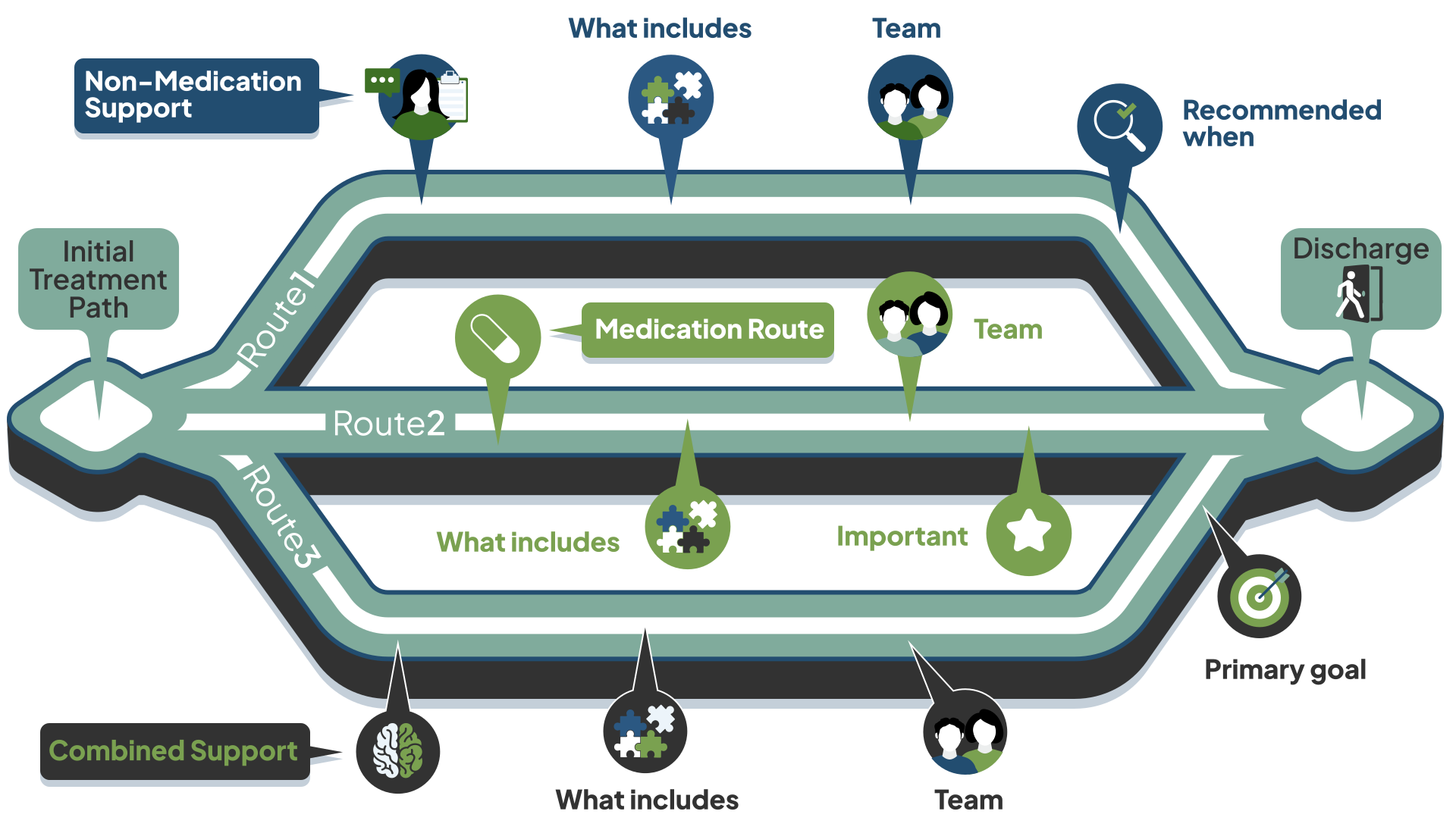
This pathway focuses on psychological, behavioural,
and educational intervention without medication.
• Parent psychoeducation and guidance
• Emotional and behavioural regulation support
• Executive functions training
• Development of routines, structure, and coping strategies
• Collaboration with school and educational settings
Lead Professional:
• ADHD Parents Support
• Clinical Child and Adolescent
Psychologist
Additional Support:
• ADHD Minors Support – Executive Functions Training
• Psychologist Assistant
• Symptoms are mild to moderate
• The child is younger
• Daily functioning can improve with structured psychological support
This pathway includes medical assessment and, when appropriate,
pharmacological treatment.
• Specialist psychiatric evaluation
• Medication as a therapeutic tool (not a cure)
• Ongoing monitoring and dose adjustments
• Regular medical follow-up
Lead Professional:
Child and Adolescent Psychiatrist
Medication is often most effective
when combined with psychological
and educational support.
This pathway integrates psychological intervention
and medication to provide comprehensive support.
• Psychological intervention and parent support
• Executive functions training
• Medical treatment and monitoring
• School collaboration
• Regular review of progress and needs
•Clinical Child and Adolescent Psychologist
•Child and Adolescent Psychiatrist
• Psychologist Assistant
To reduce ADHD symptoms, support skill development,
and improve overall daily functioning and wellbeing.
Want to learn more about our care pathways?
We have designed a detailed guide on the ADHD treatment process. Download the full material here to understand every stage of our support.
Our Point of View
ADHD is not approached as a standalone diagnosis, but as a neurocognitive profile requiring precise understanding and coordinated support.
Through a combination of clinical expertise, tailored intervention, and selective integration of neuroscience and allied disciplines, our aim is to provide clarity, direction, and measurable improvement in functioning.
Our Clinical Approach
Our assessments are grounded in gold-standard psychological and clinical evaluation, ensuring diagnostic accuracy and a clear understanding of functional impact. This includes:
- Detailed clinical interviews
- Developmental and functional history
- Standardised assessment tools (age-appropriate)
- Behavioural and cognitive analysis across contexts
Where clinically appropriate, we complement this with neuroscience-informed evaluation, providing additional insight into attentional regulation and brain-based functioning.
This integrated approach allows us to move beyond surface-level descriptions and develop a more precise clinical formulation.
Children and Adolescents
In younger individuals, ADHD often presents within educational and behavioural contexts. Our assessments focus on:
- Developmental profile and early indicators
- School functioning and learning patterns
- Behavioural regulation and attention in structured environments
- Input from parents and, where relevant, educational settings
Adults
In adults, ADHD is frequently expressed through difficulties that have persisted over time but may not have been previously identified. We explore:
- Organisation, time management, and executive functioning
- Occupational performance and productivity
- Emotional regulation and stress response
- Long-standing patterns of overwhelm or underperformance
What This Assessment Provides
- Clear determination of whether ADHD is present
- Identification of overlapping or co-occurring conditions
- A structured understanding of how difficulties impact daily functioning
- Individualised recommendations for intervention
Where appropriate, intervention may include psychological strategies, behavioural approaches, and neuroscience-based options, tailored to the individual profile.
Integrated ADHD Care Model
Across the Lifespan — Children, Adolescents and Adults
At NeuroLab Mental Health, ADHD is approached through an integrated care model that combines clinical assessment, targeted intervention, and coordinated support across relevant domains of functioning.
Rather than focusing solely on diagnosis, our approach is designed to provide a comprehensive understanding of each individual’s profile, followed by a structured plan that supports meaningful, real-world improvement.
This model is clinically led and individually tailored, recognising that ADHD presents differently across the lifespan and requires coordinated input beyond a single discipline when appropriate.
Coordinated Allied Support
When indicated, care may extend beyond the core clinical pathway through coordination with trusted allied services. These may include:
- Educational and learning support
- Speech and Language Therapy (SLT)
- Occupational Therapy (OT)
- Nutritional support
- Psychiatric interventioN
- Counsellors
- Clinical Psychologist
This ensures that intervention addresses not only core attentional difficulties, but also the wider functional context in which the individual operates.
Importantly, these supports are integrated as needed, without creating unnecessary complexity.
A Structured but Flexible Model
The model is designed to be both structured and adaptable:
- Structured, in ensuring clinical rigour and consistency
- Flexible, in adapting to the individual’s profile, context, and stage of life
Discharge is considered when clinical objectives have been achieved and stable functioning is observed, with the option for future review if required.
Autism Spectrum Disorder (ASD)
Clinical Assessment and Targeted Intervention Across the Lifespan
Autism Spectrum Disorder (ASD) is a neurodevelopmental condition that affects social communication, flexibility of behaviour, sensory processing, and patterns of interaction with the environment. It presents differently across individuals and across the lifespan, and may range from more evident early developmental signs to subtler presentations that remain unidentified until adolescence or adulthood.
Autism is not defined solely by visible social difficulty. It reflects a broader neurodevelopmental profile involving differences in communication, sensory experience, behavioural regulation, and the way information is processed and organised.
At NeuroLab Mental Health, we provide specialist autism assessments for children, adolescents, and adults, combining established clinical methods with a careful formulation of the wider cognitive, behavioural, sensory, and functional profile. Our aim is to establish whether an autism profile is present, clarify overlapping factors, and guide meaningful next steps.
Not sure if you need an assessment?

Autism Assessment for Children
Understanding Autism
Autism Spectrum Disorder (ASD) is a neurodevelopmental difference that can affect social communication, sensory processing, flexibility of thinking, and behavioural patterns. Every child presents differently, with unique strengths and support needs.
Who May Benefit From an Autism Assessment?
An assessment may be beneficial if your child:
- Experiences social communication difficulties
- Finds it difficult to understand social situations
- Prefers routines and predictability
- Has strong focused interests
- Experiences sensory sensitivities
- Finds change or transitions challenging
Benefits of Assessment
- Better understanding of your child's profile
- Identification of strengths and challenges
- Educational recommendations in Ireland
- Access to supports and accommodations in Ireland
- Guidance for parents and caregivers in Ireland
Our Assessment Pathway
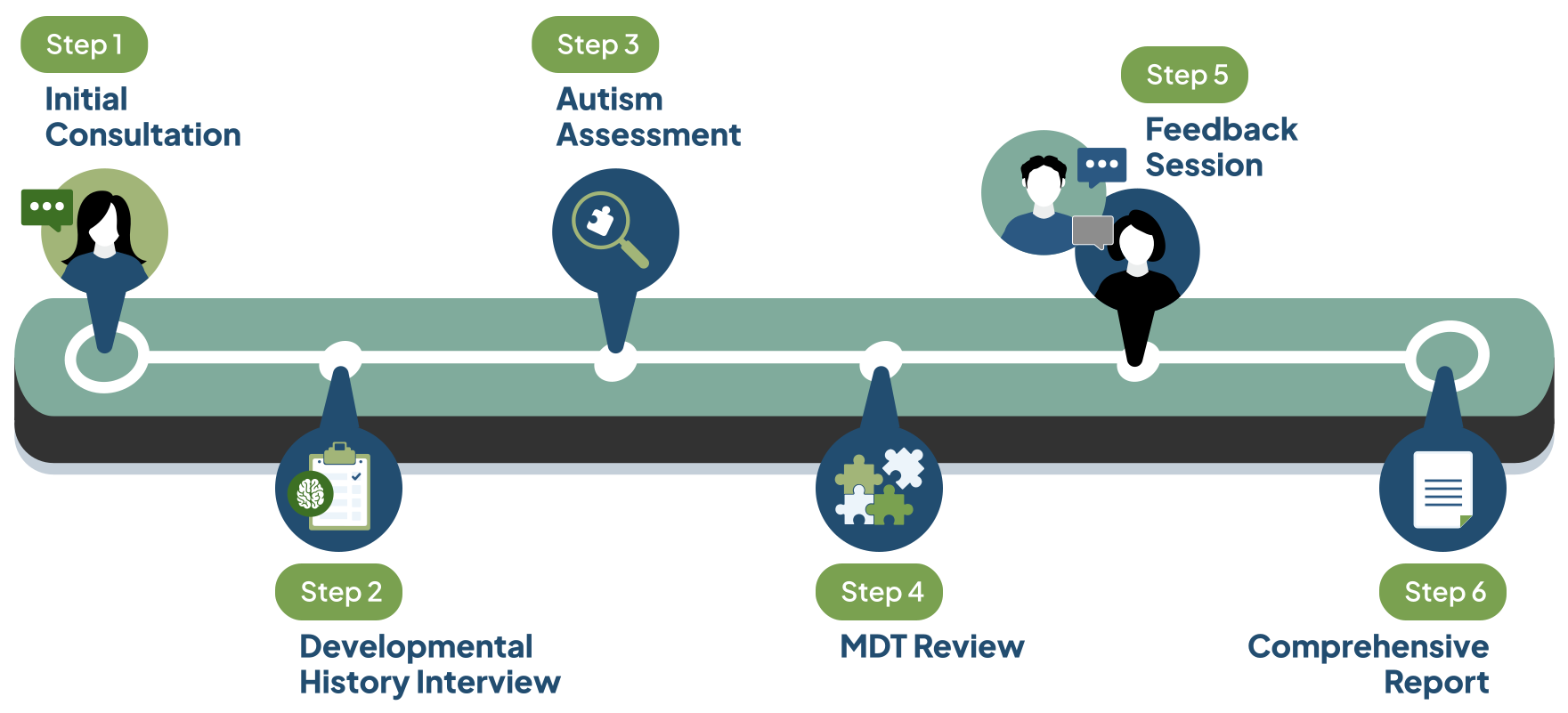
Clinical
Psychologist
ADI-R Interview with parents or caregivers
ADOS-2 and clinical observation (multidisciplinary).
Developmental assessment
Multidisciplinary review of findings
Discussion of results and recommendations
Detailed diagnostic
and
recommendation
report
Our Team
- Clinical Psychologists
- Consultant Psychiatrists
- Consultant Psychiatrists
- Occupational Therapists (when required)
Frequently Asked Questions
What age can a child be assessed for autism?
Assessments can typically be completed from early childhood onwards.
How long does the assessment process take?
Most assessments are completed within several weeks, depending on appointment availability.
Is the ADOS-2 included?
Yes. Where clinically appropriate, the ADOS-2 forms part of the assessment process.
Will I receive a written report?
Yes. A detailed report and recommendations are provided.
Can the report be used for school supports?
Yes. Reports can support discussions with schools and educational services.
Autism – Children Care pathway
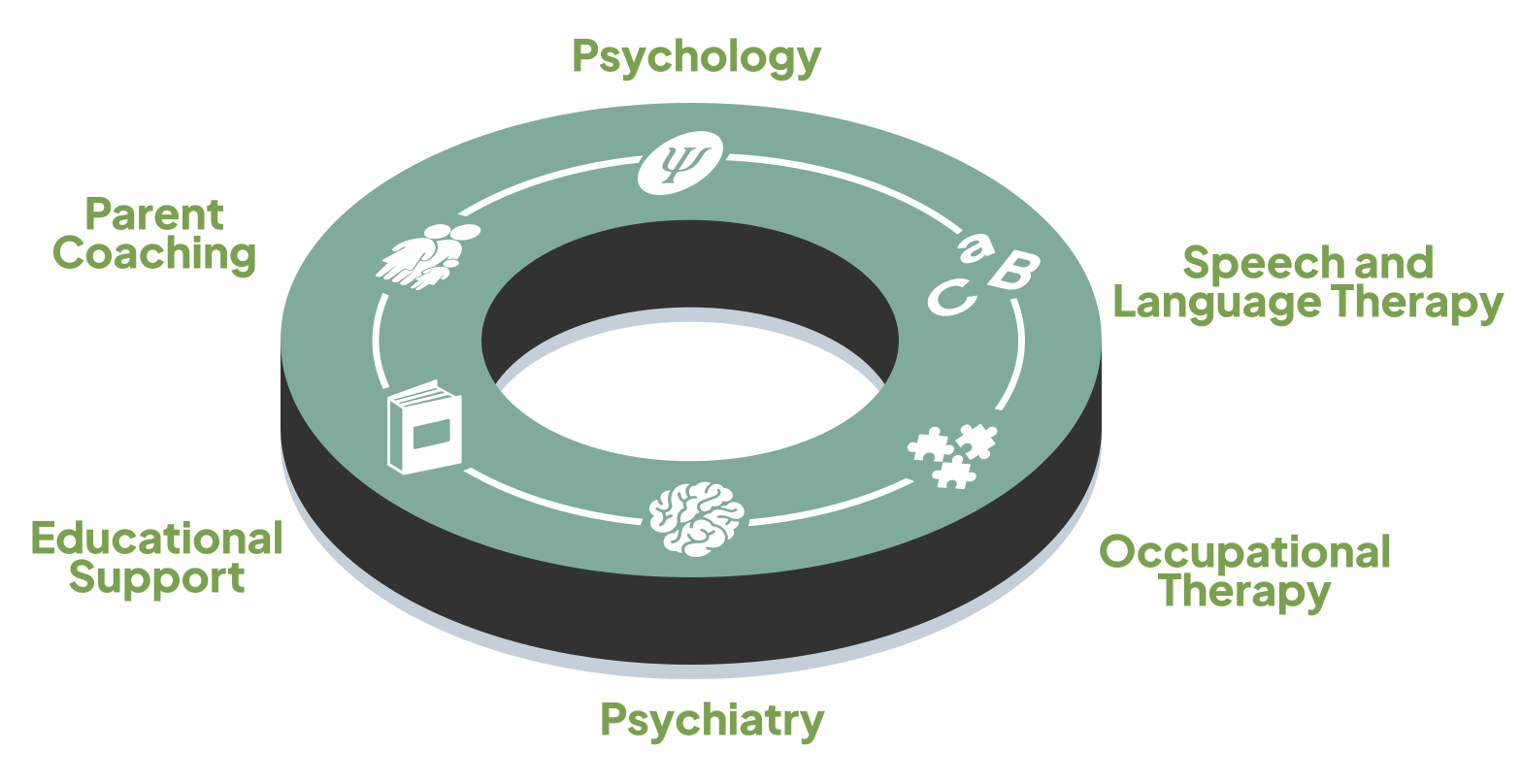
Emotional regulation, anxiety,
behaviour and family guidance.
Developmental plan for cognitive,
language and motor stimulation.
Communication, social
understanding language.
Sensory processing, routines,
daily living and independence.
Medication or clinical review when ADHD,
anxiety, sleep or mood difficulties are present.
Tailored School accommodations,
classroom strategies and learning support.
Practical strategies for home,
routines and family support.

Autism Assessment for Adults
Understanding Autism
Autism in adulthood may present differently from childhood. Many adults seek assessment to better understand lifelong experiences relating to social communication, sensory sensitivities, routines, and relationships.
Who May Benefit From an Autism Assessment?
You may benefit from an assessment if you:
- Experience social communication differences
- Find social situations exhausting
- Prefer structure and routine
- Experience sensory sensitivities
- Have always felt different from others
- Have always felt different from others
Benefits of Assessment
- Greater self-understanding
- Clarification of lifelong experiences
- Access to supports and accommodations
- Access to supports and accommodations
Our Assessment Pathway
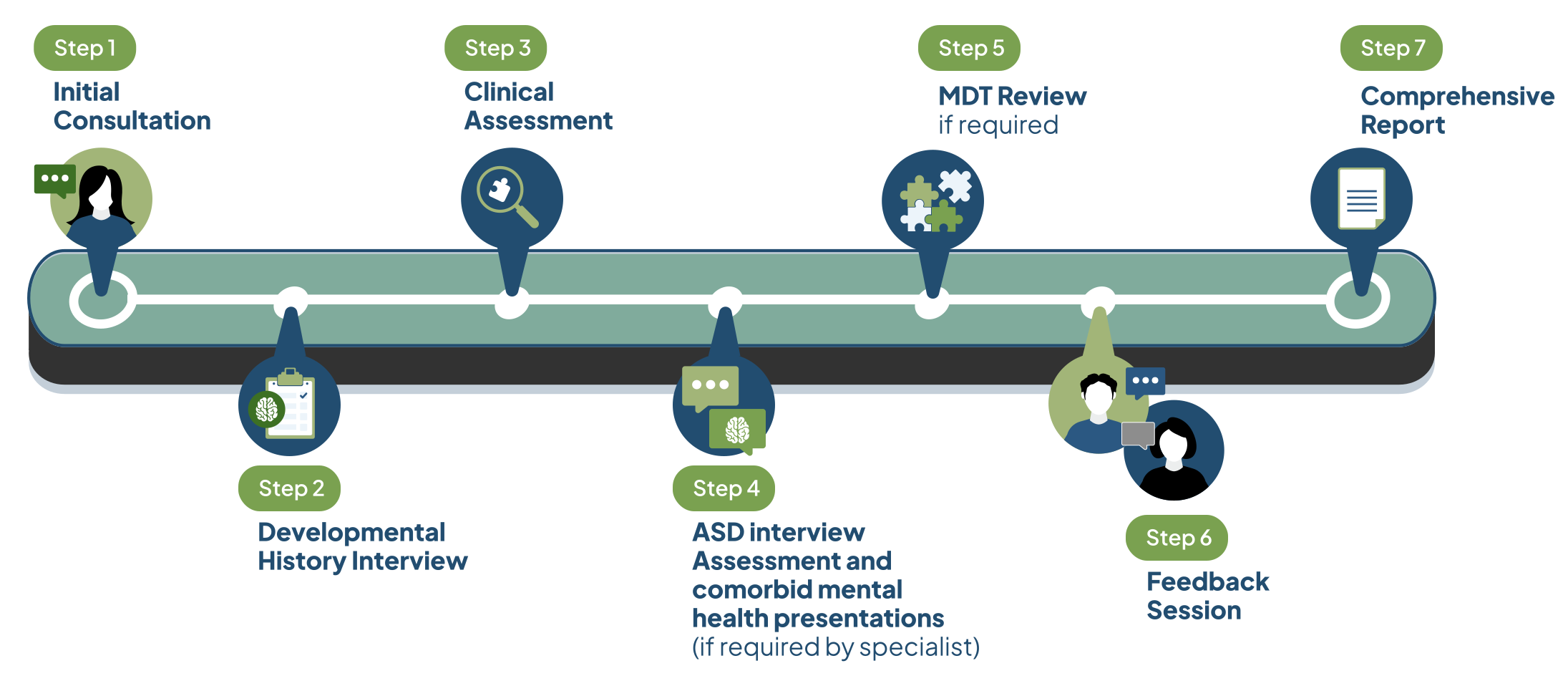
Frequently Asked Questions
Can adults be diagnosed later in life?
Yes. Many adults seek assessment in their 20s, 30s, 40s, 50s and beyond.
Do I need a family member to attend?
Where possible, developmental information is helpful, but it is not always required.
Is the assessment recognised by employers?
Yes. The report can support workplace accommodations where appropriate. We are health professionals recognised in Ireland.
Will I receive recommendations?
Yes. Practical recommendations are included in the final report.
Autism – Adults Care pathway
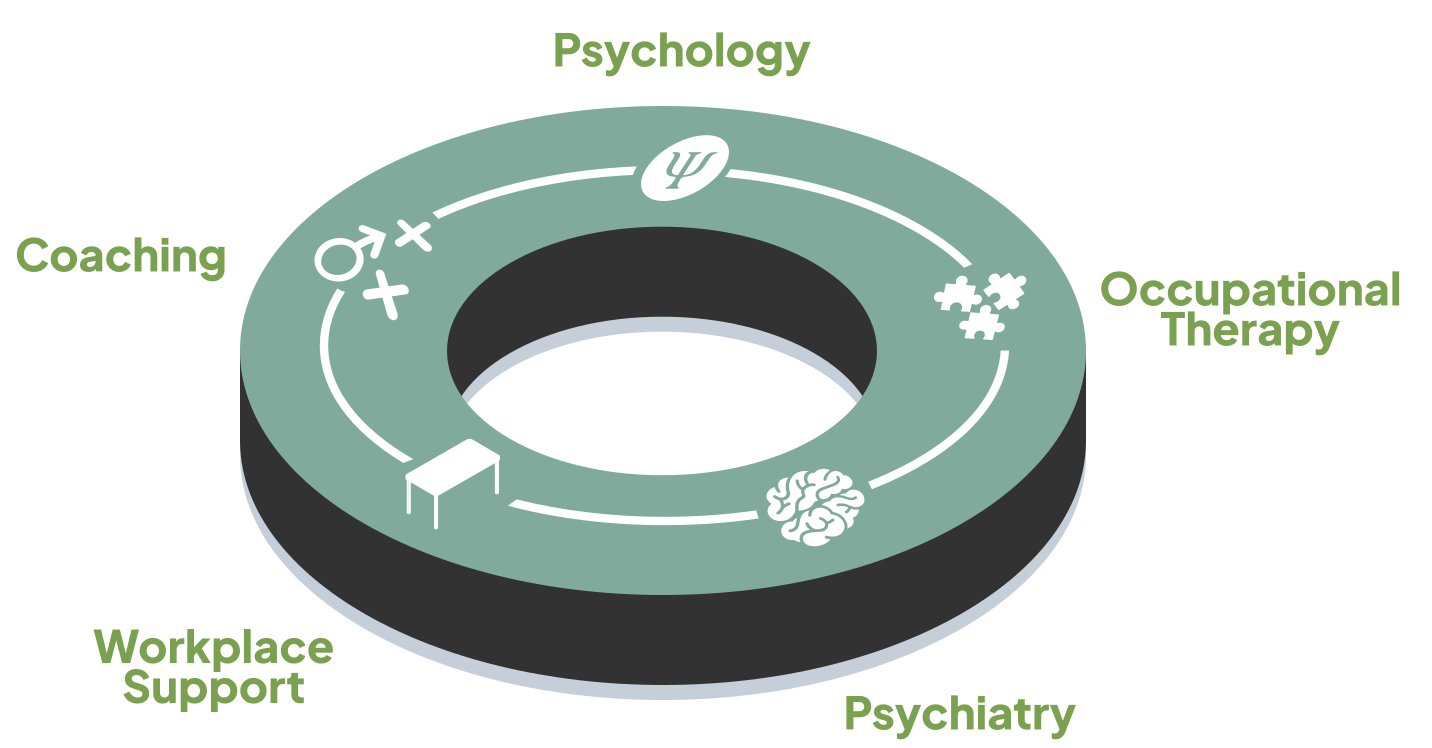
Self-understanding
of ASD, anxiety,
burnout, relationships
and emotional wellbeing.
Sensory needs, executive functioning,
routines and daily independence.
Support for ADHD, anxiety,
depression, sleep difficulties
or burnout.
Reasonable
accommodations,
communication needs
and work routines.
Organisation, planning,
independence
and goal setting.
Dyslexia
Clinical Assessment and Targeted Intervention Across the Lifespan
Dyslexia is a specific learning difficulty affecting the development of reading accuracy, reading fluency, spelling, and the processing of written language. It is not related to intelligence or motivation. Rather, it reflects differences in how the brain processes phonological information, language-based input, and the mechanics of literacy acquisition.
While dyslexia is often first identified during the school years, its effects can continue into adolescence and adulthood, particularly where early support was limited or where the profile remained unrecognised.
At NeuroLab Mental Health, we provide specialist dyslexia assessments for children, adolescents, and adults, combining established educational and cognitive methods with a clinically informed understanding of how literacy difficulties impact learning, confidence, and day-to-day functioning.
Not sure if you need an assessment?
Take a short online screening to understand whether a full evaluation may be appropriate..

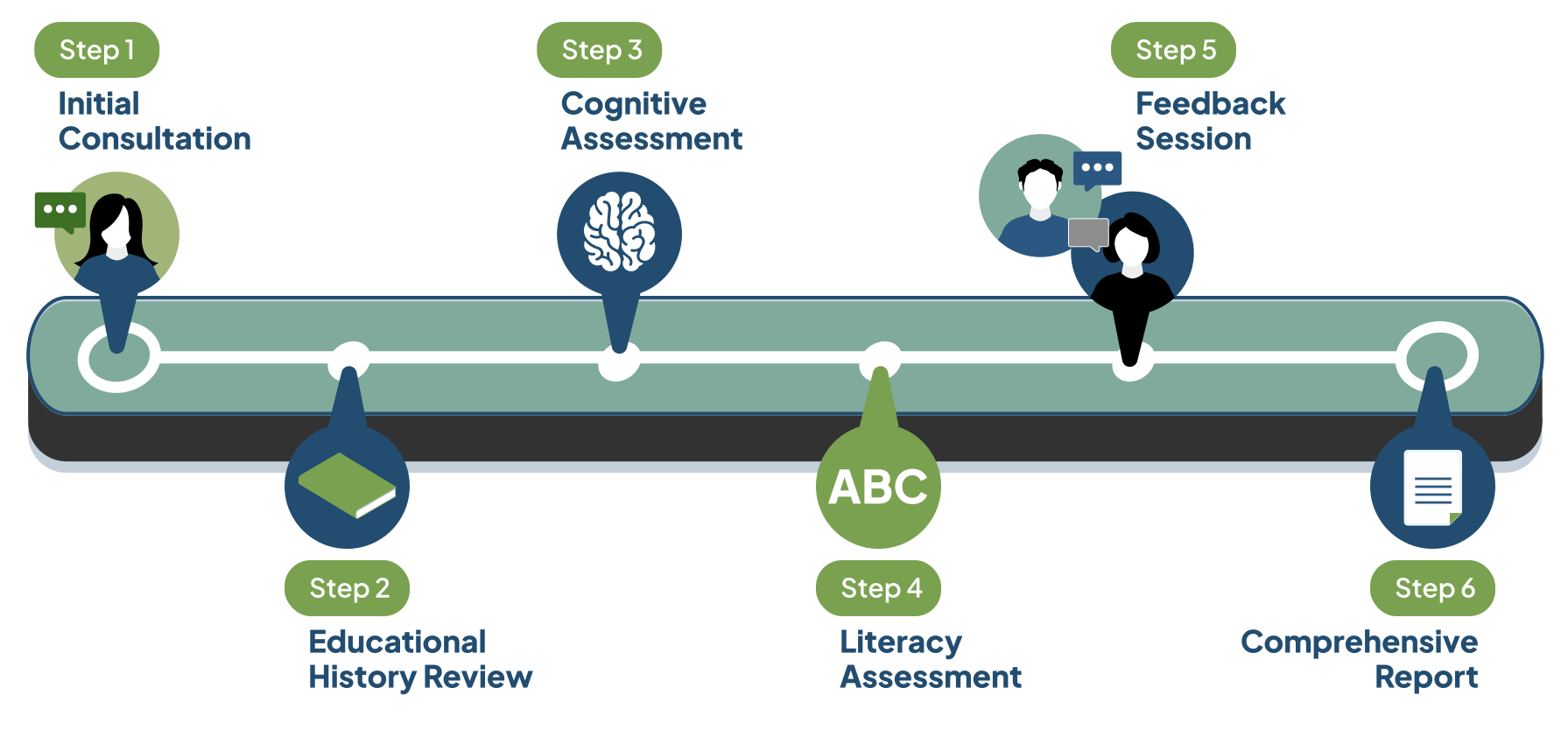
Dyslexia Assessment
(Children and Adults)
Understanding Dyslexia
Dyslexia is a specific learning difference that primarily affects reading, spelling and written language skills.
Who May Benefit From a Dyslexia Assessment?
- Difficulties with reading
- Spelling challenges
- Slow reading speed
- Difficulties with written work
- Family history of dyslexia
Benefits of Assessment
- Clarification of learning needs
- Educational recommendations in Ireland
- Access to accommodations in Ireland
- Identification of strengths
Our Assessment Pathway
Frequently Asked Questions
Can adults be assessed for dyslexia?
Yes.
Can reports support educational accommodations?
Yes.
What tests are used?
A combination of cognitive and literacy assessments.
Will recommendations be included?
Yes.
Dyslexia care pathway
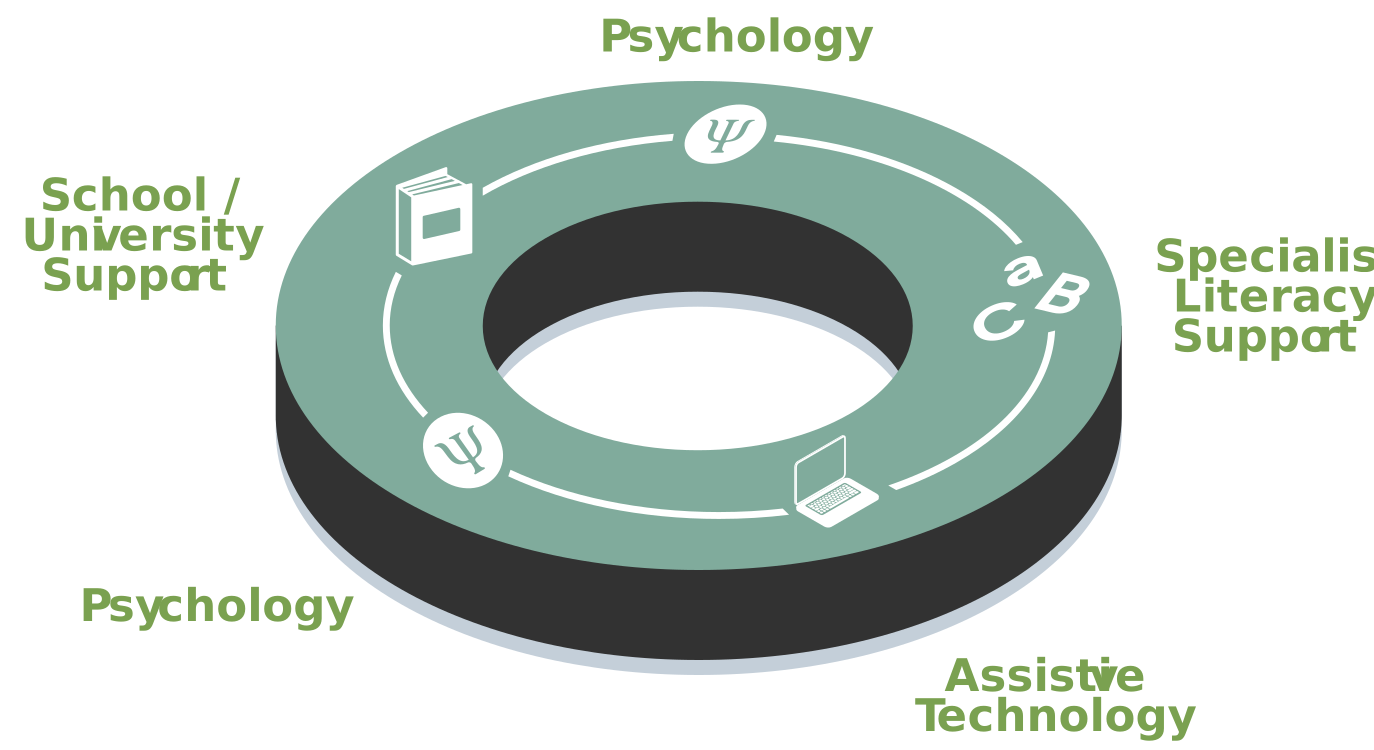
Recommendations
and accommodations.
Reading, spelling, fluency
and comprehension.
Text-to-speech,
dictation and
reading software.
Confidence, motivation,
anxiety and
emotional support.
Exam accommodations,
workload adaptations
and learning supports.
Our Point of View
Giftedness is understood as a meaningful neurocognitive profile that deserves both accurate recognition and appropriate support. The aim is not only to identify strengths, but to ensure that those strengths can be used sustainably and effectively in real-life settings.
Our Clinical Approach
Our assessments are grounded in structured cognitive, literacy, and functional evaluation to ensure a precise understanding of the individual’s learning profile. This includes:
- Detailed clinical and educational interviews
- Developmental and academic history
- Standardised assessment of reading, spelling, and written language
- Cognitive analysis of phonological processing, working memory, and related learning functions
- Functional understanding of the impact across educational, occupational, and daily settings
Where clinically appropriate, broader neurocognitive insights may be considered to clarify overlapping attentional, executive, or regulatory factors.
This approach allows us to move beyond broad descriptions of “reading difficulty” and develop a more precise profile of the underlying mechanisms involved.
Children and Adolescents
In younger individuals, dyslexia often becomes visible through persistent difficulty acquiring literacy skills at the expected pace, despite appropriate opportunity and effort. Our assessments focus on:
- Reading accuracy, fluency, and comprehension
- Spelling and written language development
- Phonological processing and verbal working memory
- School functioning and learning patterns
- Input from parents and, where relevant, educational settings
Adults
In adults, dyslexia may present as longstanding literacy-based difficulty that has persisted despite compensation, high effort, or professional success in other areas. We explore:
- Reading efficiency and written processing
- Functional impact in work or higher education
- Organisational and language-based demands
- Long-standing strategies of compensation or avoidance
- Emotional and practical effects of persistent literacy difficulty
What This Assessment Provides
- Clarification of whether a dyslexic profile is present
- Differentiation from other learning or attentional difficulties
- A structured understanding of functional impact
- Individualised recommendations for support and intervention
Where appropriate, recommendations may include educational strategies, workplace adjustments, targeted learning support, and further allied input if required.
Integrated Dyslexia Care Model
At NeuroLab Mental Health, dyslexia is approached through an integrated care model that combines clinical assessment, learning-focused formulation, and coordinated support where required.
Our aim is not only to identify the presence of dyslexia, but to understand how the profile affects the person’s learning, confidence, performance, and day-to-day functioning.
Coordinated Allied Support
When indicated, support may include coordination with:
- Educational and learning support
- Speech and Language Therapy (SLT)
- Occupational Therapy (OT), where relevant
- Nutritional support
- Psychiatry
- Counselling
- Clinical Psychology
This broader support framework is used only when clinically justified and where it adds meaningful value to the intervention plan.
A Structured but Flexible Model
The model is structured enough to ensure rigour and flexible enough to adapt to different ages, educational demands, and functional goals.
Discharge is considered when the assessment process has been completed, recommendations are in place, and the individual or family has a clear pathway forward, with review available if needed.
Dyscalculia
Clinical Assessment and Targeted Intervention Across the Lifespan
Dyscalculia is a specific learning difficulty affecting the acquisition and use of numerical understanding, arithmetic skills, and mathematical reasoning. It may involve difficulty with number sense, calculation, sequencing, quantity estimation, and the practical use of mathematics in academic and everyday contexts.
Dyscalculia is not a reflection of low intelligence, poor teaching, or lack of effort. It reflects a specific neurocognitive difficulty in the processing and application of numerical information.
At NeuroLab Mental Health, we provide specialist dyscalculia assessments for children, adolescents, and adults, combining structured cognitive and functional evaluation to establish the nature of the difficulty and its broader impact on learning and everyday performance.
Not sure if you need an assessment?

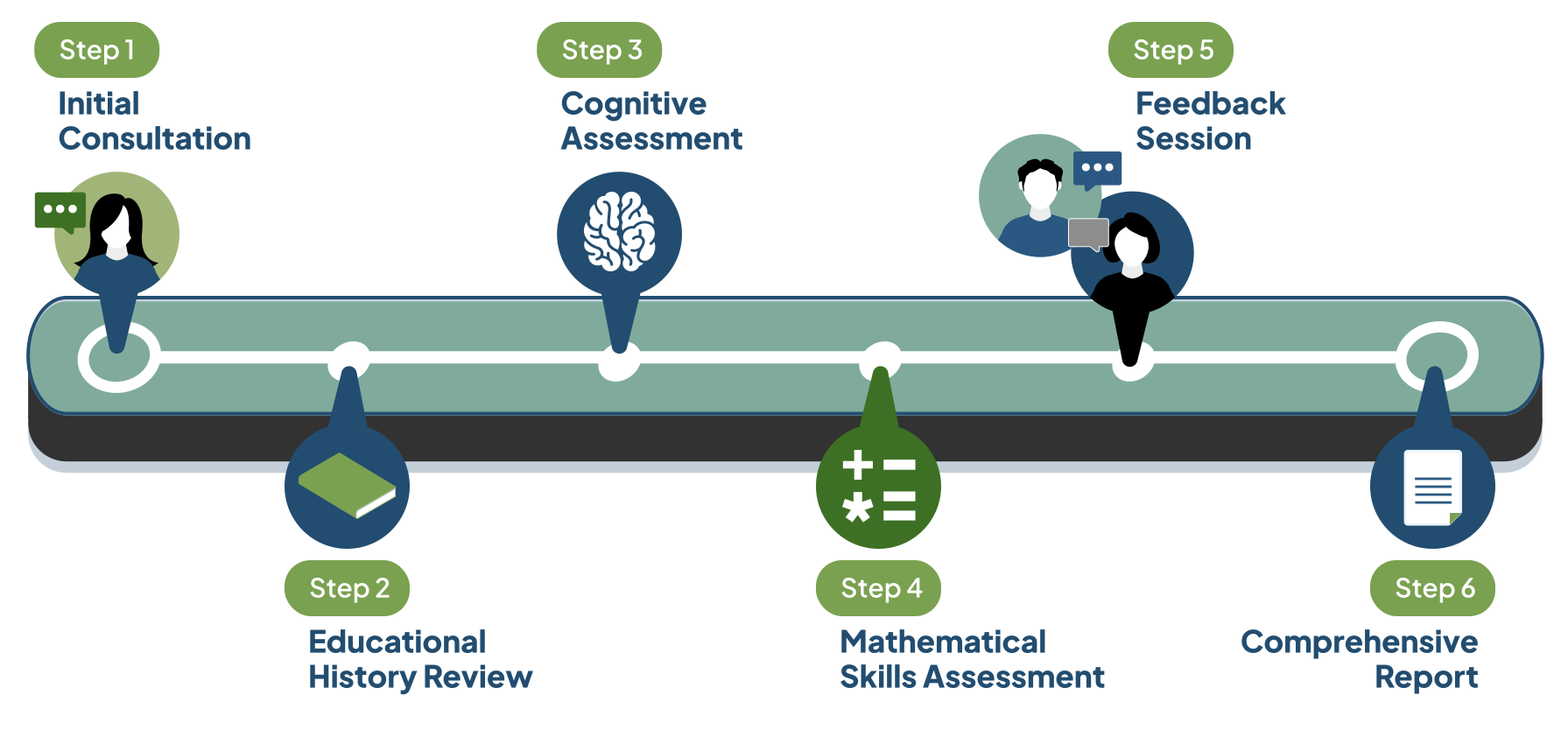
Dyscalculia Assessment
(Children and Adults)
Understanding Dyscalculia
Dyscalculia is a specific learning difference affecting mathematical understanding and numerical processing.
Who May Benefit From a Dyscalculia Assessment?
- Difficulties with maths
- Challenges understanding numbers
- Difficulty with calculations
- Persistent struggles despite support
Benefits of Assessment
- Persistent struggles despite support
- Educational planning in Ireland
- Appropriate accommodations in Ireland
- Targeted recommendations
Our Assessment Pathway
Frequently Asked Questions
Is dyscalculia different from being bad at maths?
Yes. Dyscalculia is a recognised learning difference.
Can adults be assessed?
Yes.
Will the report include recommendations?
Yes.
Dyscalculia Care Pathway
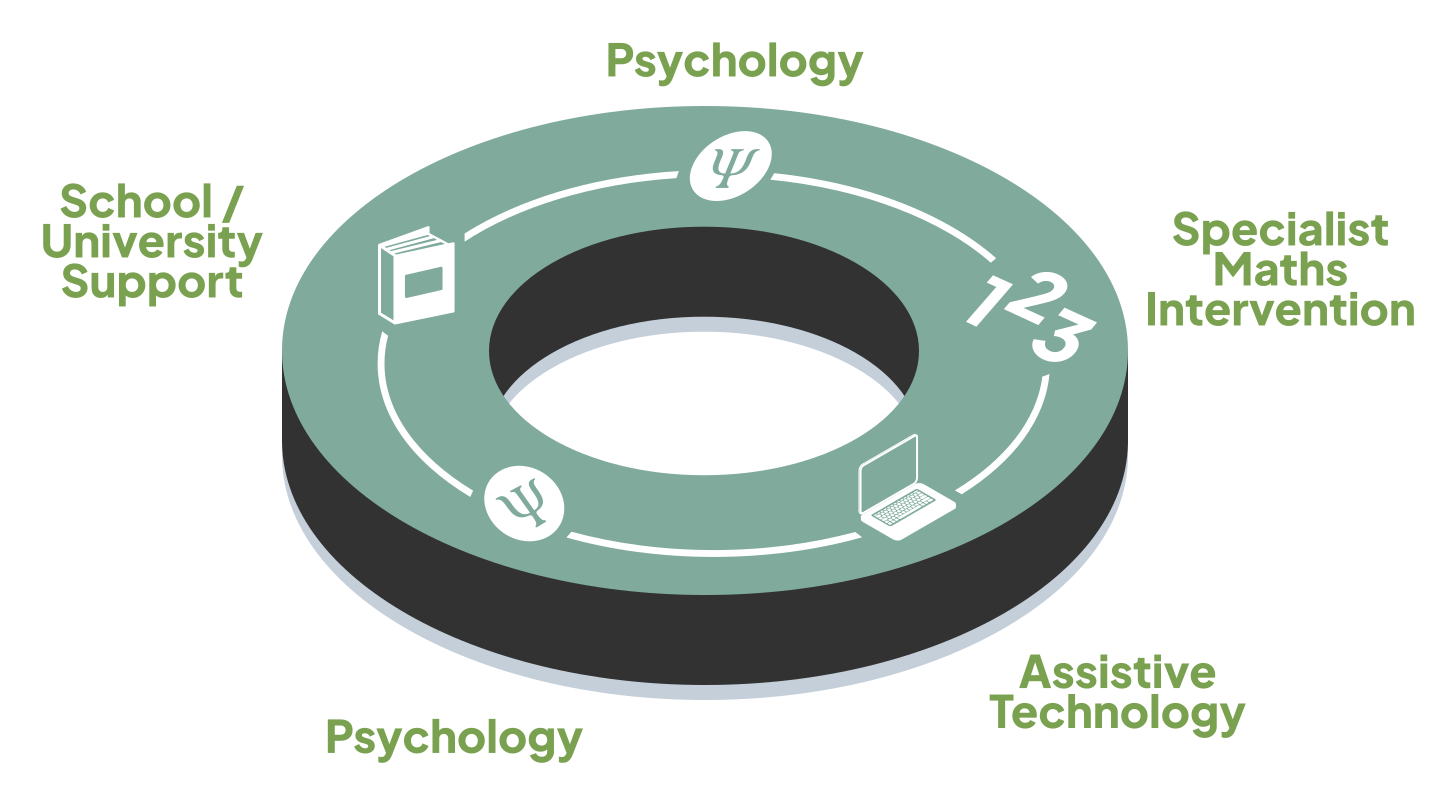
Maths learning profile
and recommendations.
Number sense, calculation,
reasoning and problem solving.
Visual, digital and
structured maths supports.
Maths anxiety, avoidance
and confidence.
Classroom strategies,
exam accommodations
and learning plans.
Our Point of View
Dyscalculia is approached as a specific learning profile requiring precision, not simplification. Through accurate assessment and targeted recommendations, the goal is to improve understanding, functioning, and confidence in real-life contexts.
Our Clinical Approach
Our assessments are grounded in detailed analysis of numerical processing, mathematical functioning, and the cognitive systems that support these skills. This includes:
- Detailed clinical and educational interviews
- Developmental and academic history
- Standardised assessment of numerical and mathematical skills
- Analysis of number sense, calculation, reasoning, and working memory
- Functional understanding of the impact in school, work, and daily living
Where clinically appropriate, additional neurocognitive perspectives may be incorporated to explore overlapping attentional, executive, or learning-based factors.
This integrated approach supports accurate differentiation between dyscalculia, general academic difficulty, and difficulties arising secondarily from other conditions.
Children and Adolescents
In younger individuals, dyscalculia often presents through persistent difficulty understanding and applying numerical concepts despite adequate opportunity for learning. Our assessments focus on:
- Basic number processing and number sense
- Arithmetic accuracy and mathematical reasoning
- Sequencing, memory, and quantitative understanding
- School functioning and learning patterns
- Input from parents and, where relevant, educational settings
Adults
In adults, dyscalculia may remain unidentified until practical demands reveal its impact more clearly, particularly in areas involving budgeting, time, measurements, calculations, or workplace tasks requiring numerical processing. We explore:
- Mathematical efficiency in daily and occupational settings
- Long-standing difficulty with numerical tasks
- Compensation and avoidance strategies
- Functional implications for independence, study, or work
- Emotional responses linked to persistent mathematical difficulty
What This Assessment Provides
- Clarification of whether a dyscalculic profile is present
- Differentiation from broader learning or attentional difficulties
- A structured understanding of how the profile affects functioning
- Individualised recommendations for intervention and support
Recommendations may include educational support, practical strategies, accommodations, and further allied input where indicated.
Integrated Dyscalculia Care Model
At NeuroLab Mental Health, dyscalculia is approached through an integrated care model that combines clinical assessment, learning-focused formulation, and coordinated support where clinically indicated.
The aim is to understand both the numerical difficulty itself and its practical effects across educational, occupational, and everyday settings.
Coordinated Allied Support
When indicated, care may extend through coordination with:
- Educational and learning support
- Occupational Therapy (OT)
- Speech and Language Therapy (SLT), where relevant
- Nutritional support
- Psychiatry
- Counselling
- Clinical Psychology
This ensures that intervention remains clinically coherent and proportionate to the individual’s profile and context.
A Structured but Flexible Model
The model is designed to be both structured and adaptable: rigorous in assessment, but flexible in how support is planned and delivered according to age, demands, and functional goals.
Discharge is considered when assessment and planning have been completed, a clear support pathway is in place, and stable functioning is observed or appropriately supported, with review available if required.
Dysgraphia
Clinical Assessment and Targeted Intervention Across the Lifespan
Dysgraphia is a specific difficulty affecting written expression, handwriting, spelling organisation, and the efficient production of written work. It may involve difficulties with fine motor control, written output, letter formation, written organisation, or the translation of ideas into structured written language.
Dysgraphia is not simply poor handwriting or lack of effort. It reflects an underlying difficulty in the processes required for written production and may affect academic performance, functional independence, and confidence over time.
At NeuroLab Mental Health, we provide specialist assessments for children, adolescents, and adults presenting with difficulties in written output, combining structured clinical, cognitive, and functional assessment to clarify the nature of the difficulty and its practical impact.
Not sure if you need an assessment?
Take a short online screening to understand whether a full evaluation may be appropriate..

Dysgraphia Assessment
Understanding Dysgraphia
Dysgraphia affects handwriting, written expression and the ability to organise written work effectively.
Who May Benefit From a Dysgraphia Assessment?
- Poor handwriting
- Difficulty organising written work
- Slow written output
- Difficulties expressing ideas in writing
Benefits of Assessment
- Clarification of learning needs
- Educational recommendations in Ireland
- Accommodation planning in Ireland
- Support strategies
Our Assessment Pathway
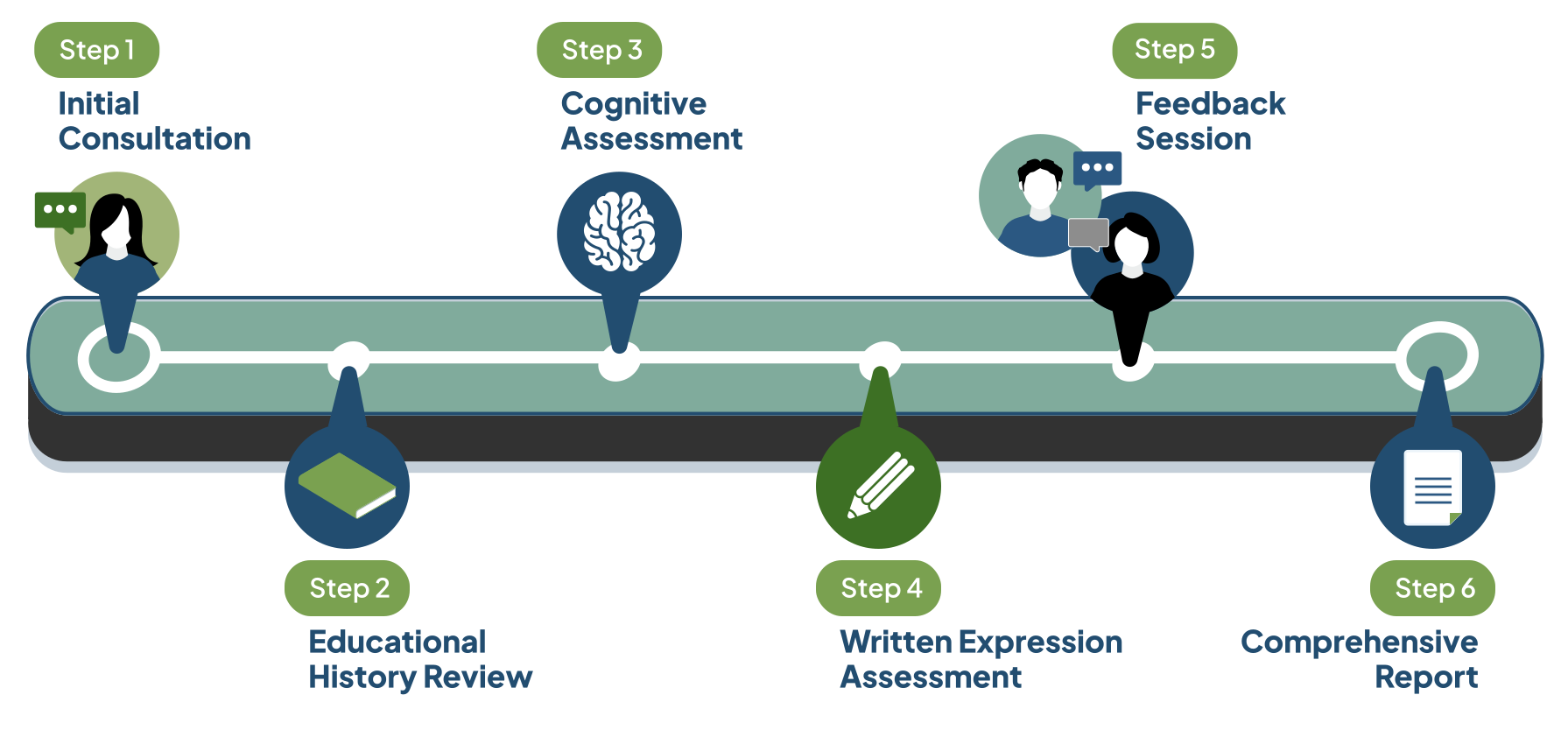
Frequently Asked Questions
Can dysgraphia occur alongside dyslexia?
Yes.
Can schools use the report?
Yes.
Will recommendations be included?
Yes.
Dysgraphia Care Pathway
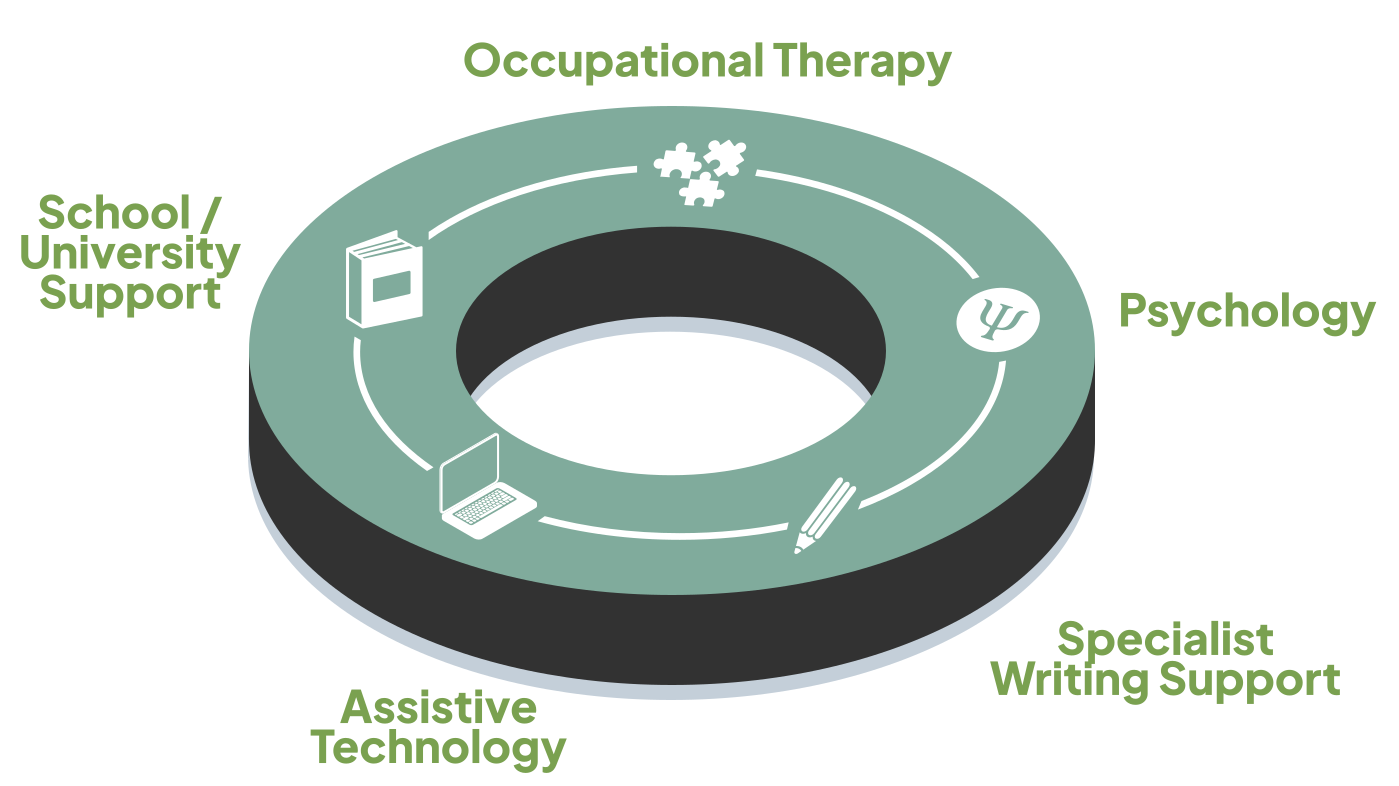
Handwriting, fine motor
skills and written output.
Written expression profile
and accommodation
recommendations.
Planning, sentence
structure and
organisation of ideas.
Typing, dictation
and alternative
written formats.
Reduced writing load,
alternative recording and exam
accommodations among others
Our Point of View
Dysgraphia is approached as a meaningful and specific profile affecting written functioning, not as a secondary or trivial issue. The goal of assessment is to achieve clarity and produce recommendations that support measurable improvement in practical functioning.
Our Clinical Approach
Our assessments are grounded in a detailed analysis of written production and the broader functions that support it. This includes:
- Detailed clinical and educational interviews
- Developmental and academic history
- Standardised and task-based analysis of written expression
- Assessment of handwriting, spelling, written organisation, and output efficiency
- Exploration of fine motor, executive, and cognitive factors where relevant
- Functional analysis of the impact across school, work, and daily tasks
Where clinically appropriate, additional neurocognitive or neuroscience-informed perspectives may be incorporated to clarify overlapping attentional, executive, or motor-planning factors.
This integrated approach supports a more accurate distinction between dysgraphia, broader learning difficulties, and difficulties secondary to other conditions.
Children and Adolescents
In younger individuals, dysgraphia may present as persistent difficulty producing written work efficiently and clearly relative to age and ability. Our assessments focus on:
- Handwriting quality and legibility
- Speed and effort involved in written production
- Spelling and written organisation
- Fine motor contribution where relevant
- School functioning and academic impact
- Input from parents and, where relevant, educational settings
Adults
In adults, dysgraphia may remain under-recognised, particularly where individuals have relied on typing, avoidance, or compensatory strategies. Difficulties may become apparent in higher education, administrative work, or tasks requiring efficient written communication.
- Written output efficiency and organisation
- Handwriting and note-taking demands
- Functional impact in academic or occupational settings
- Compensatory strategies and their limits
- The emotional and practical cost of persistent written production difficulties
What This Assessment Provides
- Clarification of whether a dysgraphic profile is present
- Differentiation from other learning, attentional, or motor-based difficulties
- A structured understanding of functional impact
- Individualised recommendations for intervention and support
Recommendations may include educational strategies, adjustments to written demands, targeted support, and coordination with other professionals where appropriate.
Integrated Dysgraphia Care Model
At NeuroLab Mental Health, dysgraphia is approached through an integrated care model that combines detailed assessment, profile-based formulation, and targeted support planning.
This model is designed to understand not only the written difficulty itself, but also its broader impact on learning, performance, organisation, and confidence.
Coordinated Allied Support
When indicated, care may extend through coordination with:
- Educational and learning support
- Occupational Therapy (OT)
- Speech and Language Therapy (SLT), where relevant
- Nutritional support
- Psychiatry
- Counselling
- Clinical Psychology
This ensures that recommendations are connected to the real-world contexts in which writing difficulties become most impairing.
A Structured but Flexible Model
The model is structured in process and flexible in application, allowing support to be adapted to the severity of the presentation, the age of the individual, and the specific demands of school, university, or work.
Discharge is considered when the assessment has provided sufficient clarity, recommendations have been established, and an appropriate pathway forward is in place, with the option for future review if required.
Giftedness (High Intellectual Ability)
Clinical Assessment and Targeted Intervention Across the Lifespan
High intellectual ability, or giftedness, refers to a neurodevelopmental profile characterised by advanced reasoning, rapid learning, strong abstract thinking, and an intensified way of processing information. Although this profile is often associated with high performance, it does not always translate into ease of functioning. In many cases, gifted individuals present with uneven development, emotional intensity, perfectionism, attentional difficulties, or a persistent sense of mismatch with their environment.
Giftedness is not simply a high score on an intelligence test. It reflects a broader cognitive profile that may influence learning, emotional regulation, social experience, motivation, and adaptation across different stages of life.
At NeuroLab Mental Health, we provide specialist assessments for children, adolescents, and adults, combining rigorous clinical and cognitive evaluation with neuroscience-informed perspectives when clinically relevant. Our aim is not merely to identify high ability, but to understand how it functions in real life and what kind of support, challenge, or adjustment may be required.
Not sure if you need an assessment?

Giftedness Assessment
Understanding Giftedness
Giftedness refers to advanced cognitive abilities and exceptional learning potential compared with age-related expectations.
Who May Benefit From a Giftedness Assessment?
- Advanced learning abilities
- Exceptional academic performance
- High intellectual curiosity
- Need for educational enrichment
Benefits of Assessment
- Identification of strengths
- Educational planning
- School recommendations in Ireland
- Understanding learning style in Ireland
Our Assessment Pathway
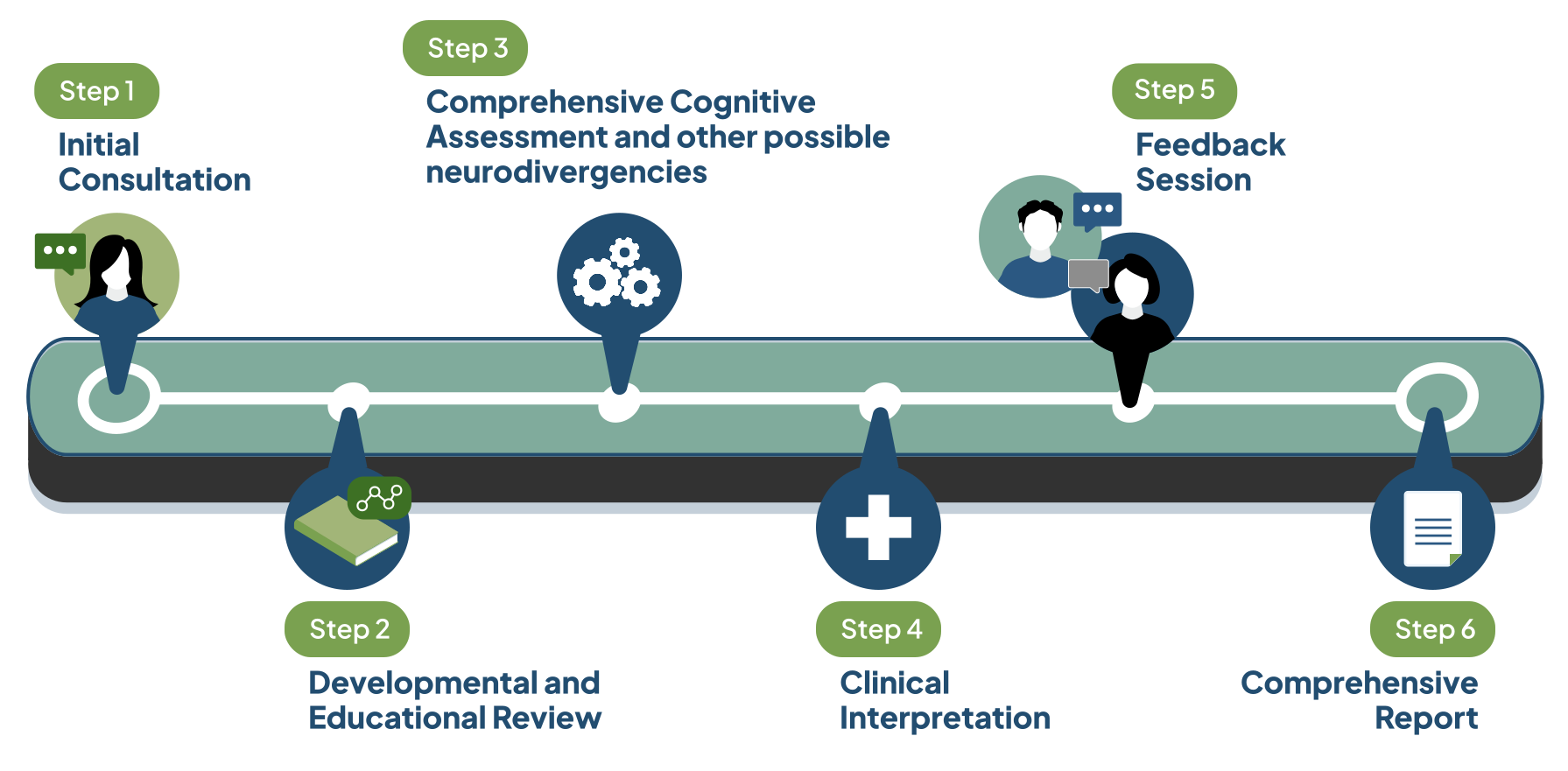
Frequently Asked Questions
What IQ score indicates giftedness?
Giftedness is assessed using a range of cognitive indicators, not only a single score.
Can schools use the report?
Yes.
Does giftedness always mean high academic achievement?
No. Gifted individuals can present with diverse educational profiles.
Can giftedness coexist with ADHD, autism or dyslexia?
Yes. This is often referred to as twice-exceptionality (2e).
Giftedness Care Pathway
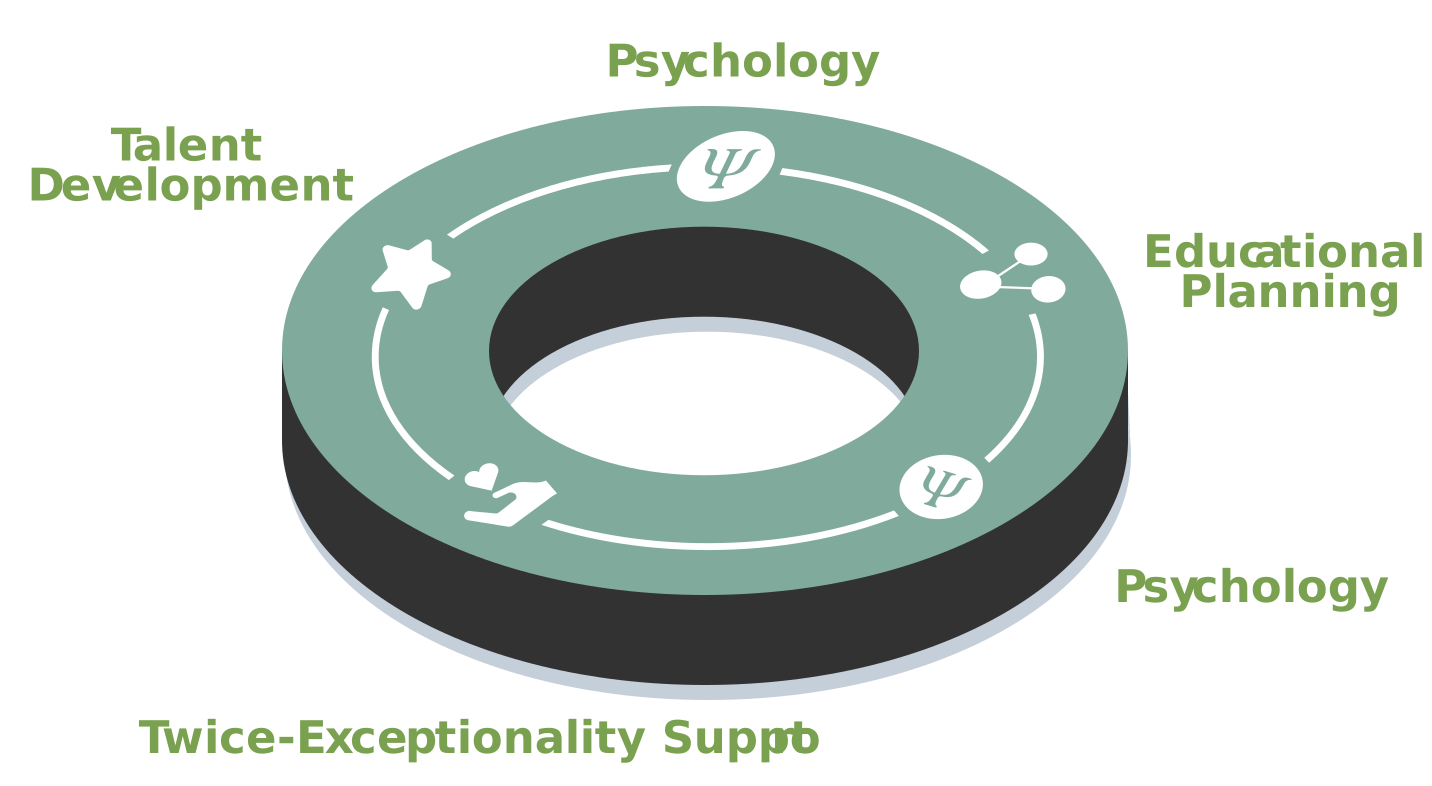
Cognitive strengths,
learning profile and
recommendations
Enrichment, differentiation,
acceleration and challenge.
Perfectionism, anxiety, motivation
and emotional intensity.
Support when giftedness coexists
with ADHD, autism or dyslexia.
Creativity, leadership, academic
strengths and personal growth.
Our Point of View
Giftedness is understood as a meaningful neurocognitive profile that deserves both accurate recognition and appropriate support. The aim is not only to identify strengths, but to ensure that those strengths can be used sustainably and effectively in real-life settings.
Our Clinical Approach
Our assessments are grounded in comprehensive clinical and cognitive evaluation, allowing for a precise understanding of strengths, vulnerabilities, and functional impact. This includes:
- Detailed clinical interviews
- Developmental, educational, and occupational history
- Cognitive assessment using age-appropriate standardised tools
- Analysis of executive functioning, regulation, creativity and adaptation
- Exploration of emotional, behavioural, and relational functioning
Where clinically appropriate, this may be complemented by neuroscience-informed assessment to provide additional insight into cognitive processing, attentional modulation, and patterns of regulation.
This integrated approach helps differentiate between high intellectual ability as a standalone profile and presentations where co-occurring conditions, emotional difficulties, or contextual factors may also be influencing functioning.
Children and Adolescents
In younger individuals, giftedness often presents in a non-linear way. Advanced reasoning may coexist with frustration, disengagement, sensory sensitivity, uneven school performance, or difficulties relating to peers. Our assessments focus on:
- Cognitive profile and areas of advanced ability
- Developmental asynchrony
- School functioning and engagement
- Emotional intensity and behavioural regulation
- Input from parents and, where relevant, educational settings
Adults
In adults, giftedness may remain unidentified for years, particularly when high ability has been masked by overcompensation, burnout, chronic underperformance, or co-occurring attentional or emotional difficulties. We explore:
- Intellectual profile and thinking style
- Occupational functioning and sense of fit
- Executive functioning and task management
- Emotional regulation and internal pressure
- Long-standing patterns of overachievement, exhaustion, or mismatch
What This Assessment Provides
- Clarification of whether a gifted profile is present
- Identification of uneven development or co-occurring difficulties
- A structured understanding of functional strengths and challenges
- Individualised recommendations for support, optimisation, and development
Where appropriate, recommendations may include psychological support, executive functioning strategies, educational guidance, or broader input from allied professionals.
Integrated Giftedness Care Model
At NeuroLab Mental Health, giftedness is approached through an integrated care model that combines assessment, formulation, and targeted support across the relevant domains of functioning.
Rather than reducing giftedness to a score or category, our model is designed to understand the individual as a whole: cognitive potential, regulation, emotional experience, adaptation, and environment.
Coordinated Allied Support
When indicated, support may be coordinated with trusted allied services, including:
- Educational and learning support
- Occupational Therapy (OT)
- Speech and Language Therapy (SLT), where relevant
- Nutritional support
- Psychiatric
- Counselling
- Clinical Psychology
This ensures that support is proportionate, clinically coherent, and tailored to the individual profile rather than driven by a one-size-fits-all model.
A Structured but Flexible Model
The model is structured in its clinical rigour and flexible in its application. Support is adapted to age, context, goals, and the nature of the individual presentation.Discharge is considered when the main objectives have been achieved and the individual demonstrates stable functioning, with the option of review if new demands arise.
Every neurocognitive profile includes unique strengths as well as specific challenges.
Our aim is to understand each person’s cognitive and developmental profile in order to provide meaningful recommendations and practical strategies that support daily functioning and wellbeing.
Request an Appointment
Take the first step towards integrated mental health care. Complete the form and our team will be in touch to discuss your needs.
Monday – Sunday (10am-4pm)