
Mental Health Support for Adults
At NeuroLab Mental Health, we understand that mental health challenges can affect every aspect of life, including relationships, work performance, physical health, confidence, and overall wellbeing.
Whether you are experiencing anxiety, depression, stress, burnout, trauma, or simply feeling overwhelmed, our multidisciplinary team provides evidence-based assessment and personalised treatment designed around your individual needs.
Our approach combines traditional psychological and psychiatric care with innovative neuroscience-based interventions, helping us address both symptoms and underlying factors contributing to emotional distress.
When Should You Seek Support?
Many people wait until difficulties become overwhelming before seeking help. Mental health support may be beneficial if you are experiencing:
- Persistent anxiety or excessive worry
- Low mood or depression
- Stress and burnout
- Panic attacks
- Trauma-related difficulties
- Emotional regulation challenges
- Sleep problems
- Relationship difficulties
- Obsessive thoughts or compulsive behaviours
- Difficulty coping with life transitions
- Problems with concentration and motivation
- Feelings of being stuck or overwhelmed
Explore Our Clinical Services

Psychological Therapy
Our psychologists and counsellors provide evidence-based interventions tailored to your needs. Therapy may focus on understanding emotional difficulties, improving coping strategies, processing life experiences, and developing long-term resilience.

Psychiatry
Our consultant psychiatrists provide comprehensive psychiatric assessment, diagnosis, medication management, and treatment planning where appropriate. See psychiatric services if you are interested.
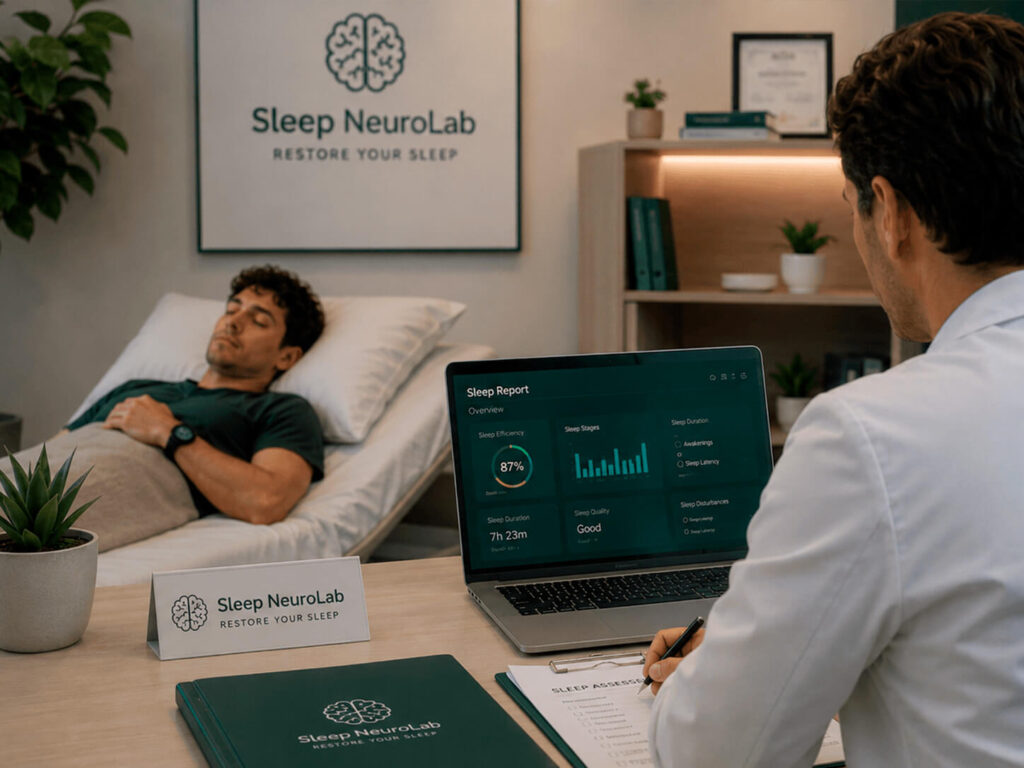
Neurofeedback (if indicated)
Neurofeedback is a non-invasive intervention that helps individuals learn to regulate brain activity patterns associated with attention, emotional regulation, stress, sleep, and wellbeing.

TMS (Transcranial Magnetic Stimulation) (if Indicated)
TMS is an evidence-based, non-invasive treatment that uses magnetic stimulation to target brain networks involved in depression and other mental health conditions.

QEEG Brain Mapping
QEEG provides an objective measure of brain activity, helping clinicians identify patterns that may contribute to difficulties with attention, mood regulation, stress, sleep, and cognitive performance.
Our Assessment Pathway
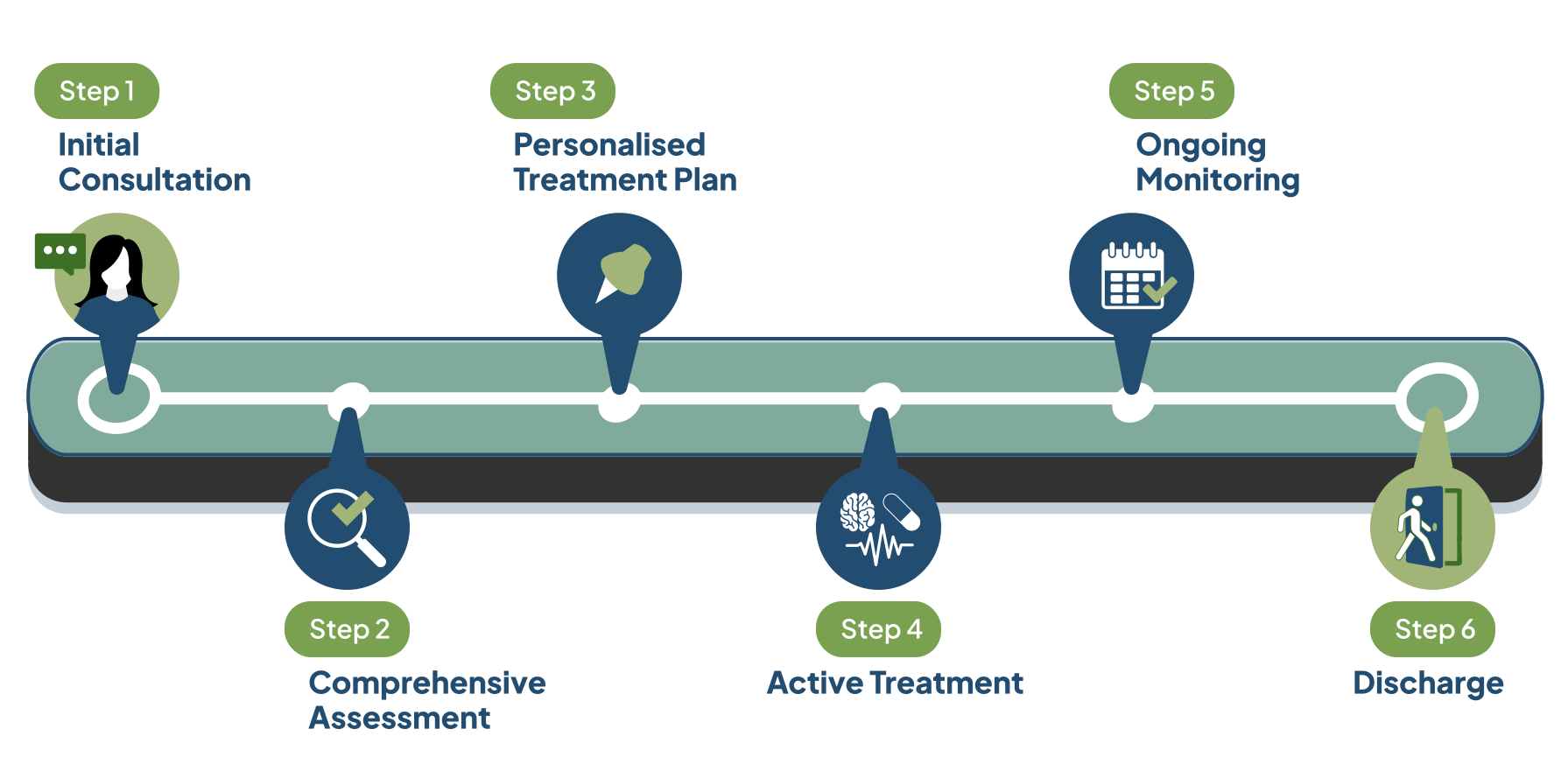
Meet with one of our clinicians
to discuss your concerns,
goals, and history. This is going
to help to determine
the care needed and if
an assessment is needed.
Where appropriate, psychological,
psychiatric, or neurocognitive
assessments may be
recommended.
This also include neurodivergent
assessment and brain-based
assessment to determine
the best route of treatment.
A tailored treatment plan
is developed based on
your individual profile and goals.
This also include neurodivergent
care route and brain-based care
techniques to determine the best
route of treatment.
Treatment may include therapy,
psychiatry, neurofeedback, TMS,
or a combination of approaches.
Progress is regularly reviewed
to ensure treatment remains
effective and responsive
to your needs.
Frequently Asked Questions
Do I need a referral?
No. Most clients can self-refer directly to our service.
Can I book directly with a psychologist?
Yes. Many clients begin with psychological support and only access psychiatry if clinically indicated.
What is the difference between psychology and psychiatry?
Psychologists provide therapy and psychological assessment for mental health conditions. Psychiatrists are medical doctors who can diagnose mental health conditions and prescribe medication.
Can TMS be used alongside therapy?
Yes. TMS is often used as part of a broader treatment plan alongside psychological support.
Is Neurofeedback safe?
Yes. Neurofeedback is a non-invasive intervention with an excellent safety profile.
How many sessions will I need?
This varies depending on your goals and the nature of the difficulties being addressed.
Are online appointments available?
Yes. Many psychology and psychiatry appointments can be provided remotely.
Will treatment be personalised?
Absolutely. No two clients receive exactly the same treatment plan.
Why Choose us as your
preferred Mental Health Clinic?
Clinical Expertise
Our assessments are grounded in evidence based clinical psychology and neuropsychology.
We work from a neurodiversity affirming perspective, combining clinical expertise with an understanding of mental health, emotional wellbeing and everyday functioning.
Where appropriate, assessment findings can be integrated with other mental health supports to provide continuity of care over time.
Take the Next Step
If you are seeking clarity, understanding and support around ADHD, assessment can be an important step forward.
Whether for a child or an adult, understanding how the brain works helps reduce uncertainty and supports wellbeing, regulation and quality of life.
Request A Telephone Consultation
Our team is here to guide you to the most appropriate pathway. For appointments, referrals, or programme enquiries, please contact us using the details below.
Phone:
Email:
Address:
26 Clare Street Medical Center, Dublin 2, D02 VX59
Working Hours:
Monday – Sunday (10am-4pm)